
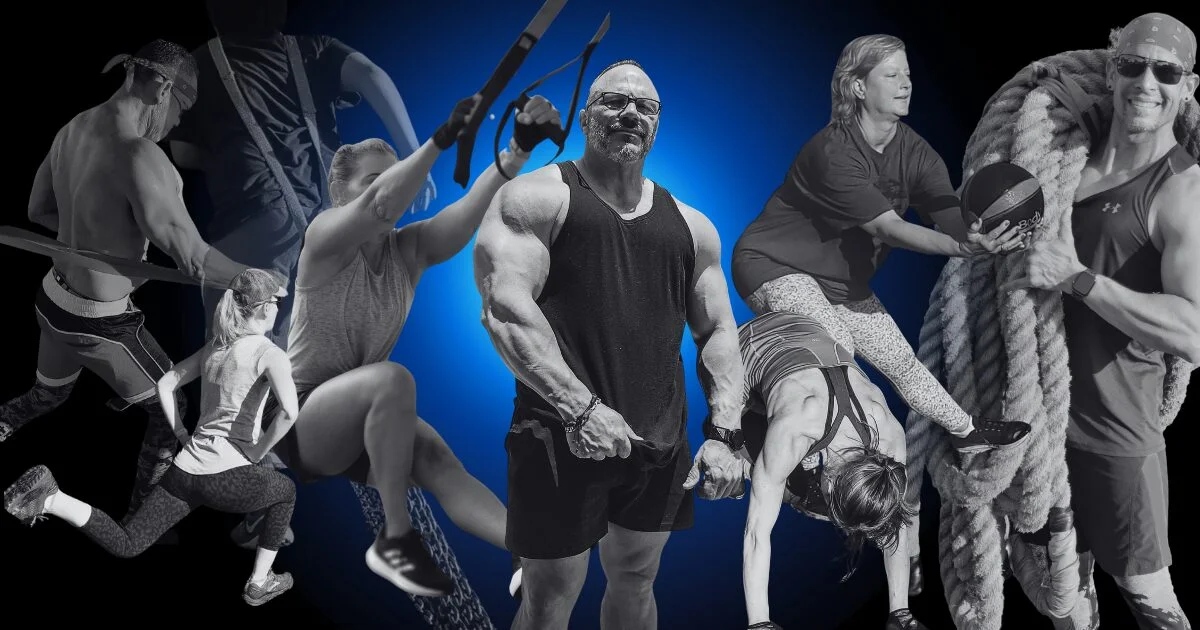
Autism-friendly small group strength training is the safest, most effective, and most empowering way to help autistic kids and teens build strength, confidence, motor skills, and emotional regulation. At Wired Fitness San Diego, our 2–4 kid micro-group model with two experienced coaches was designed specifically for neurodiverse youth—whether training outdoors, in-home, or at BLVD Fitness (2 kids max).
Large sports practices, busy gyms, and high-stimulation fitness classes often overwhelm autistic youth. They move too fast, lack predictable structure, and provide little individualized teaching. Our model solves every one of those problems through sensory-smart coaching, biomechanics-focused instruction, predictable pacing, and individualized regulation support.
This article explains why 2–4 kid micro-groups with two coaches outperform every other training format for autistic youth—and why so many San Diego families rely on this approach year-round.
Strength training works best when it’s predictable and progressive. Our structured strength training for neurodiverse kids emphasizes confidence, coordination, and safety.
Learn more about the neurodiverse youth program →Strength training has powerful physical and neurological benefits for autistic youth. When done correctly, it supports:
🔹 predictable routines
🔹 sensory regulation
🔹 motor planning and sequencing
🔹 confidence and self-efficacy
🔹 body awareness and proprioception
🔹 injury prevention
🔹 emotional regulation
This structure provides all the benefits of autism strength training in San Diego while keeping sensory demands and cognitive load extremely low.
🔹 slower pacing
🔹 visual demonstrations
🔹 limited noise and movement
🔹 repetitive learning cycles
🔹 minimal transitions
🔹 clear expectations
A 2–4 kid micro-group provides just enough social presence for comfort, without the overwhelm of larger classes.
Two coaches are essential—not optional—when working with autistic youth groups. This dual-coach approach is what makes our program a true sensory-friendly strength training autism model rather than a general fitness class.
If a child needs to pause, breathe, or reset, a second coach stays with them while the group continues smoothly.
Strength training requires safe joint alignment and controlled positioning. Two coaches allow instant, gentle corrections.
Many autistic athletes benefit from visual modeling while hearing simplified cues. Two coaches make this possible.
If one athlete needs slower reps or a modified load, one coach handles the adjustment while the other runs the main drill.
Environmental distractions can dysregulate some athletes. A second coach helps maintain structure.
This setup bypasses the biggest challenges autistic youth face in typical fitness environments.
Strength training is measurable and repeatable—two things that help neurodiverse kids succeed. This guide explains how to do it safely and progressively.
Read: Strength training for autistic kids →
Autistic nervous systems process sensory input differently. Micro-groups allow us to keep sensory demands extremely low.
No yelling, whistles, clanging weights, or chaotic crowds.
Sessions follow the same sequences each week, lowering anxiety.
Only the equipment needed for that drill is out, reducing visual overload.
Fewer people = fewer disruptions.
Weighted implements, controlled tempo, step-by-step coaching, and grounding breaks.
Kids can train side-by-side without forced interaction.
Micro-groups also allow us to deliver a structured autism fitness program San Diego families can rely on for predictable progress and a calming environment.
Our coaching method blends movement science with a neurodiversity-informed approach, creating one of the only neurodiverse youth strength training models in the region focused on both motor learning and emotional regulation.
Autistic athletes often need extra support with:
🔹 joint stacking
🔹 balance
🔹 bilateral coordination
🔹 proprioceptive awareness
🔹 motor planning
🔹 sequencing steps
🔹 squat
🔹 hinge
🔹 push
🔹 pull
🔹 carry
🔹 anti-rotation core stability
Movements are broken down into digestible steps with clear visual demonstrations every session.
Evidence: Strength training improves motor coordination and proprioception in autistic youth.
→ Strength Training Effects on Motor Skills in Autism Spectrum Disorder
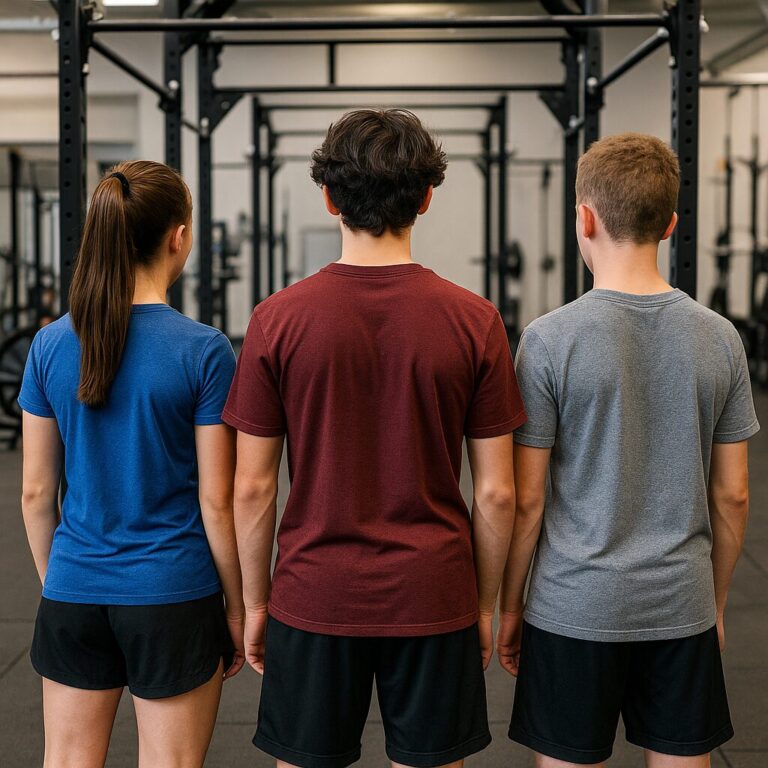
These differences become even clearer when comparing our micro-group model to other forms of micro-group autism training or large-scale youth fitness programs.
| Training Format | Pros | Cons |
|---|---|---|
| 2–4 Kid Micro-Group (WFSD) | Sensory-safe, predictable, two coaches, biomechanically precise, regulation-friendly, individualized pacing. | Limited spaces due to high coaching standards. |
| Large Fitness Classes | Higher energy, lower cost. | Overwhelming, fast-paced, inconsistent cueing, not ASD-friendly. |
| 1:1 Private Training | Fully individualized, highly sensory-friendly. | May feel too intense or socially isolating for some autistic youth. |
Parents often ask, “What does a session actually look like?” Here is a basic session session listed below
🔹 regulated greeting
🔹 simple explanation of session flow
🔹 sensory warm-up if needed
🔹 marching variations
🔹 controlled tempo squats
🔹 banded activation
🔹 light carries
🔹 hinge pattern
🔹 squat variations
🔹 pulling mechanics
🔹 pushing drills
🔹 carry-based strength
🔹 anti-rotation core
Two coaches = constant, precise cueing.
🔹 weighted objects
🔹 slow steps
🔹 calming breaths
🔹 grounding positions
🔹 sled pushes
🔹 med ball taps
🔹 controlled carries
🔹 slow walking
🔹 breathing pattern
🔹 recap of successes
🔹 best for highly sensitive youth
🔹 familiar environment
🔹 total control over sensory input
🔹 open space
🔹 minimal visual clutter
🔹 natural sensory input
🔹 structured, quiet setup
🔹 ideal for biomechanics instruction
🔹 minimal distractions
We choose the environment based on the child’s or groups sensory profile—not convenience.
Autistic athletes often need extra support with:
🔹 joint stacking
🔹 balance
🔹 bilateral coordination
🔹 proprioceptive awareness
🔹 motor planning
🔹 sequencing steps
🔹 squat
🔹 hinge
🔹 push
🔹 pull
🔹 carry
🔹 anti-rotation core stability
Movements are broken down into digestible steps with clear visual demonstrations every session.
Evidence: Strength training improves motor coordination and proprioception in autistic youth.
→ Strength Training Effects on Motor Skills in Autism Spectrum Disorder
Strength training for autistic teens must be predictable, structured, and paced correctly, which is why our sessions are designed as true strength training for autistic teens rather than repurposed sports drills.
Strength training improves:
🔹 sequencing
🔹 working memory
🔹 motor planning
🔹 task initiation
🔹 follow-through
🔹 inhibitory control
Micro-groups support these skills naturally:
🔹 repeated routines
🔹 predictable steps
🔹 waiting turns
🔹 completing movement cycles
🔹 transitioning smoothly
Evidence: Exercise improves executive functioning in autistic youth.
→ Exercise Interventions for Executive Function in Autism
Our autism-friendly small group strength training (2–4 kids, two coaches) creates a safe, structured environment for real physical and emotional growth.
Autism-friendly small group strength training (2–4 kids with two coaches) is the most effective, safe, and supportive model for helping autistic youth build strength, confidence, and regulation skills. With predictable structure, sensory-smart coaching, biomechanics-focused instruction, and individualized pacing, this environment allows neurodiverse kids to thrive physically and emotionally.
Outdoors, in-home, or at BLVD Fitness—your child gets the same expert-led, autism-informed, progress-driven experience every session. Families searching for an autism-friendly fitness San Diego option that prioritizes safety, sensory needs, and real strength development will find our micro-group format unmatched in both structure and results.
autism-friendly small group strength training, sensory-friendly strength training autism, neurodiverse youth strength training, autism exercise coaching san diego, autism fitness small group
Theme: Illdy. © Copyright 2016. All Rights Reserved.