

Autism fitness San Diego programs should feel predictable, supportive, and confidence-building—not loud, chaotic, or overwhelming. Many autistic and neurodiverse kids struggle in traditional gyms or team sports environments where structure is inconsistent and social pressure is high.
At Wired Fitness San Diego, we provide specialized autism fitness programs delivered through structured social recreation. Our approach uses strength training, movement skill development, and clear routines to support physical confidence and participation in real-world settings—without medical or therapeutic claims.
With over 25 years of experience working with youth in San Diego, including extensive experience supporting neurodiverse kids and teens, our programs are designed to meet each child where they are and progress at a pace that feels safe and sustainable.

Autism is part of a broader neurodiverse spectrum. For a complete overview of how we design structured fitness programs for autistic and other neurodivergent kids and teens, explore our neurodiverse youth fitness programs in San Diego .
Our autism fitness San Diego programs are built for families seeking structured, predictable fitness support aligned with STS and social recreation goals.
This is not open gym time or a high-energy group class. Every session follows a predictable structure that helps reduce anxiety and improve engagement.
✅ Clear session flow and expectations
✅ Coach-led demonstrations and cues
✅ Repetition-based strength progressions
✅ Calm, supportive coaching style
✅ Fitness delivered as structured social recreation, not therapy
This structure allows neurodiverse kids to focus on movement and skill development without unnecessary sensory overload.
Fitness can be one of the most effective entry points for engagement when it is predictable and purposeful.
Our autism fitness San Diego sessions use:
🔹 Strength training
🔹 Bodyweight exercises
🔹 Fundamental movement patterns
🔹 Simple, repeatable routines
Social interaction is never forced. Instead, shared movement creates optional opportunities for social exposure in a low-pressure environment. Many kids feel more comfortable participating alongside others when expectations are clear and consistent.
🔗 How structured fitness supports confidence and focus in autism
We offer multiple formats to match each child’s sensory needs, comfort level, and readiness.
Best for kids who:
🔹 Are new to structured fitness
🔹 Have higher sensory sensitivity
🔹 Prefer individualized pacing
🔹 Benefit from a quieter environment
Sessions may take place in-home or in a private gym setting.
Designed for kids who:
🔹 Are ready for limited social exposure
🔹 Benefit from peer presence without chaos
🔹 Respond well to structured group routines
Groups are intentionally small and carefully matched.
| Program Type | Best For | Environment |
|---|---|---|
| One-on-One Autism Fitness | Sensory-sensitive kids or those new to structured fitness | In-home or private gym setting |
| Small Group Autism Fitness | Kids ready for limited social exposure with structure | Structured group environment (2–3 participants max) |
| Structured Social Recreation | Long-term participation and routine-based engagement | Predictable, community-based setting |
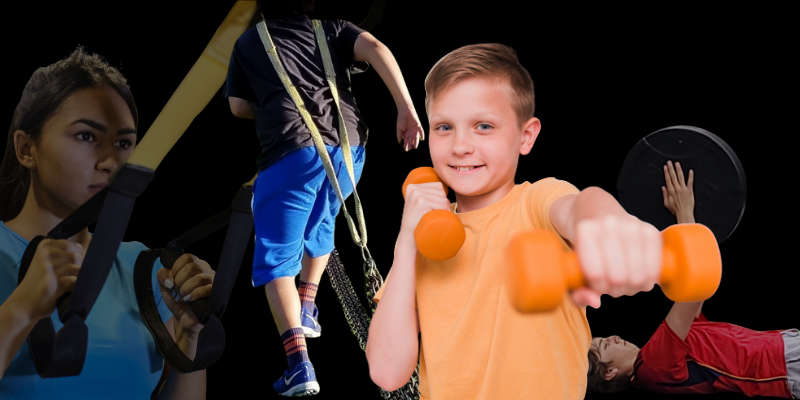
While outcomes vary by individual, parents often choose autism fitness programs for the functional benefits that structured movement can support over time.
Parents commonly report:
✅ Increased confidence and self-efficacy
✅ Improved comfort with routines
✅ Better body awareness and coordination
✅ Enhanced focus during structured tasks
✅ Greater willingness to participate in shared environments
Our autism fitness San Diego programs are designed to **complement—not replace—**other supports your child may already receive.
This includes:
🔹 Occupational therapy (OT)
🔹 Physical therapy (PT)
🔹 ABA or school-based services
Fitness provides a real-world environment where movement, routine, and self-confidence can be reinforced outside of clinical or classroom settings.
This program is a strong fit for:
✅ Autistic kids and teens
✅ Neurodiverse youth (including ADHD and sensory processing differences)
✅ Teens who struggle in team sports
✅ Families seeking structured, non-clinical support
✅ Parents focused on long-term development rather than quick fixes
We begin with a parent consultation, not a workout.
This conversation helps us understand:
🔹 Sensory considerations
🔹 Previous activity experience
🔹 Environment preferences
🔹 The most appropriate training format
From there, we recommend the best one-on-one or small group option.
Parents often come to us feeling unsure, overwhelmed, or frustrated after trying programs that weren’t built for neurodiverse kids. While every child’s journey is different, we consistently hear similar themes from families who commit to structured autism fitness.
Parents frequently share that their child:
✅ Feels more confident walking into sessions
✅ Is calmer with predictable routines
✅ Participates longer without shutting down
✅ Shows pride in physical progress
✅ Looks forward to returning each week
We’ve worked with kids who initially refused gym environments, teens who had withdrawn from sports entirely, and families who simply wanted a safe, supportive outlet beyond clinical settings. Over time, many parents tell us they notice subtle but meaningful changes—greater comfort with structure, improved follow-through, and a growing sense of independence tied to movement and strength.
These stories are not promises or guarantees, but reflections of what can happen when fitness is delivered with patience, structure, and respect for each child’s needs.
Many families we work with are also connected to San Diego Regional Center (SDRC) and are exploring services that support their child’s development beyond school and clinical settings.
At Wired Fitness San Diego, our autism fitness programs are delivered as specialized fitness-based support that may align with Specialized Therapeutic Services (STS) and/or social recreation goals, depending on a child’s Individual Program Plan (IPP).
Our role is to support functional goals through:
✅ Structured strength training
✅ Predictable routines and participation
✅ Movement-based skill development
✅ Confidence in community-based environments
While our programs are not medical or clinical therapy, they are often used by families as part of a broader support plan alongside services such as OT, PT, ABA, or school-based programs.
Families interested in exploring SDRC support often:
🔹 Discuss fitness or adaptive recreation goals during their IPP meeting
🔹 Ask whether structured, fitness-based programs may qualify under STS or social recreation
🔹 Share program descriptions that emphasize routine, movement, and participation
🔹 Confirm eligibility and funding details directly with their SDRC service coordinator
Eligibility, service classification, and funding decisions are made by SDRC based on IPP goals and coordinator guidance.
We are happy to provide clear program descriptions and service structure information to help families have informed conversations with SDRC, while final determinations remain with the Regional Center.
Parents often ask what to say when discussing fitness or recreation services during an IPP meeting. The language below can help clearly explain how structured autism fitness fits within STS or social recreation goals.
You may want to explain that you are seeking:
✅ Structured, fitness-based support delivered in a predictable environment
✅ Programs that support participation, routine, and movement skill development
✅ Community-based services that complement existing therapies
✅ Social or adaptive recreation opportunities appropriate for neurodiverse youth
Each Individual Program Plan (IPP) is unique. Eligibility, service classification, and funding decisions are determined by SDRC based on your child’s goals and coordinator guidance.
Choosing the right fitness environment matters. Our autism fitness programs are built around structure, predictability, and supportive coaching—so kids can participate, progress, and build confidence at their own pace.
We begin with a parent consultation to understand your child’s needs, sensory considerations, and goals before recommending a one-on-one or small group option.
Research has shown that structured physical activity can support motor skill development, physical confidence, and overall participation in autistic youth.
Pan, C. Y. (2010). Effects of water exercise swimming program on aquatic skills and social behaviors in children with autism spectrum disorders. Research in Autism Spectrum Disorders.
Bremer, E., Crozier, M., & Lloyd, M. (2016). A systematic review of the behavioural outcomes following exercise interventions for children and youth with autism spectrum disorder. Autism.
Lang, R. et al. (2010). Physical exercise and individuals with autism spectrum disorders: A systematic review. Research in Autism Spectrum Disorders.
Sessions follow a predictable structure: a brief warm-up, skill practice on a few repeatable movements, strength work with clear coaching cues, and a calm finish. We keep transitions simple and the flow consistent so kids can focus on movement and progress.
We reduce sensory load by controlling pace, limiting clutter and noise when possible, and using consistent routines. If a child needs a pause, we step back, reset expectations, and return to a familiar exercise. The goal is steady participation without pressure.
Yes, when helpful. We can use simple visual prompts, consistent verbal cues, and time-based structure to reduce uncertainty. We keep cueing clear and repeatable so the child knows what to do next.
We base the decision on sensory tolerance, comfort around peers, attention capacity, and how well a child handles transitions. One-on-one is often best for building early confidence; small group can be a great next step for structured social exposure through movement.
Yes. Many teens don’t thrive in team sports due to unpredictable environments and social pressure. Structured fitness can provide routine, measurable progress, and a calmer setting where strength and confidence build over time.
We use progressions and choices within structure. If an exercise is a “no” that day, we pivot to a similar movement pattern and return later. Consistency matters, but flexibility keeps participation positive and sustainable.
We track practical indicators: consistency of participation, comfort with routines, improved movement quality, increased strength on basic patterns, and the ability to tolerate structured sessions. Progress is individualized and built around realistic milestones.
Most families do best with 1–2 sessions per week to start, then adjust based on comfort and recovery. Consistency is more important than intensity—especially when building tolerance to structured environments.
When requested by the family and appropriate, we can align on goals like routine tolerance, movement skill development, and participation. Our services remain fitness-based and recreational, but collaboration can help keep expectations consistent.
Yes. In-home sessions can be a strong option for kids who do best in familiar environments or who need a calmer starting point before transitioning into small group participation.
Comfortable athletic clothing and supportive shoes are ideal. Water is helpful. If your child prefers a familiar item for comfort (for example, headphones or a small sensory tool), we can often accommodate that within a safe training environment.
After a parent consultation, we recommend the best format (one-on-one or small group), confirm scheduling options, and outline a simple starting plan. Early sessions emphasize comfort, routine, and movement basics before progressing intensity.
autism fitness San Diego, autism personal training San Diego, fitness for autistic kids, neurodiverse fitness programs, adaptive fitness autism, autism strength training, special needs fitness San Diego, structured social recreation autism
Theme: Illdy. © Copyright 2016. All Rights Reserved.