

Autistic kids strength training San Diego programs should do more than just “get kids moving.” For many families, the real goals are emotional regulation, confidence, physical coordination, and a calm environment where their child feels safe and capable. Unfortunately, many traditional youth sports and adaptive fitness programs rely on noise, large groups, and unpredictable social demands—conditions that often work against autistic kids.
At Wired Fitness San Diego, autistic kids strength training is built around Structured Therapeutic Style (STS) principles. Sessions are predictable, progressions are intentional, and coaching is calm and consistent. Social recreation is included thoughtfully—but never forced—so kids develop regulation and confidence first.
Structured strength and movement programs designed for autistic and neurodivergent kids and teens who benefit from predictability, calm coaching, and small-group environments.

Most traditional youth sports environments prioritize speed, competition, and constant interaction. For autistic kids, this often creates overwhelm rather than growth.
Common breakdowns include:
🔹 Loud, unpredictable sensory input
🔹 Rapid transitions without preparation
🔹 Social expectations before emotional readiness
🔹 Coaches trained to manage teams, not neurodiverse nervous systems
The issue is rarely effort or motivation.
The issue is environmental mismatch.
Autistic kids strength training San Diego programs succeed because they replace chaos with clarity.
Strength training provides:
✅ Clear start and end points
✅ One task at a time
✅ Consistent session structure
✅ Measurable progress
This predictability reduces cognitive load and allows autistic kids to focus on execution, body awareness, and confidence rather than coping with overstimulation.
Many fitness programs overlook proprioception—the body’s ability to sense force, tension, and position. This system plays a major role in regulation, coordination, and confidence.
Strength training directly supports proprioception through:
🔹 Controlled resistance
🔹 Joint compression and stability
🔹 Slow, repeatable movement patterns
🔹 Clear physical feedback
Clinical research shows resistance-based exercise can improve motor coordination and functional outcomes in autistic youth.
→ Journal of Autism and Developmental Disorders
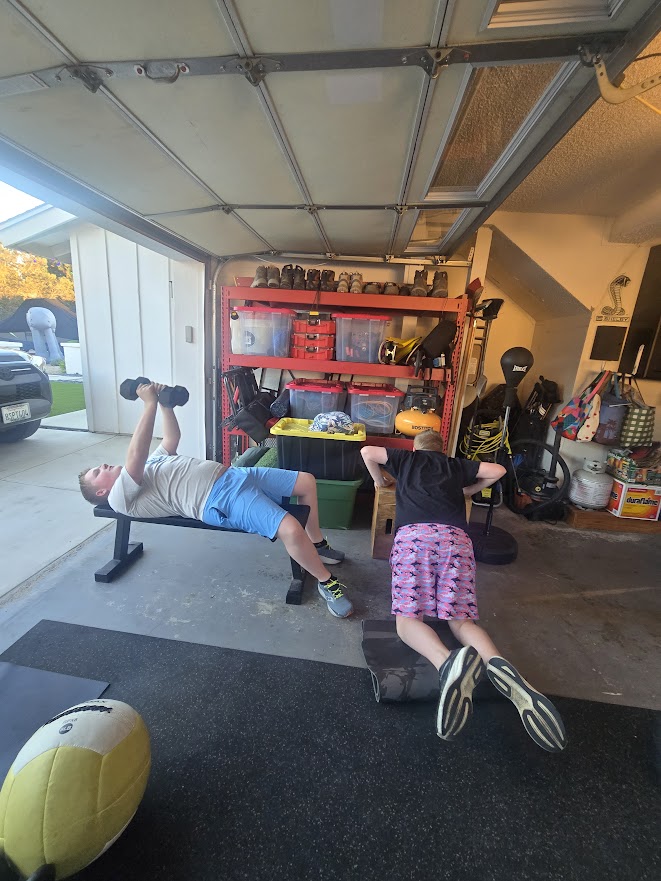
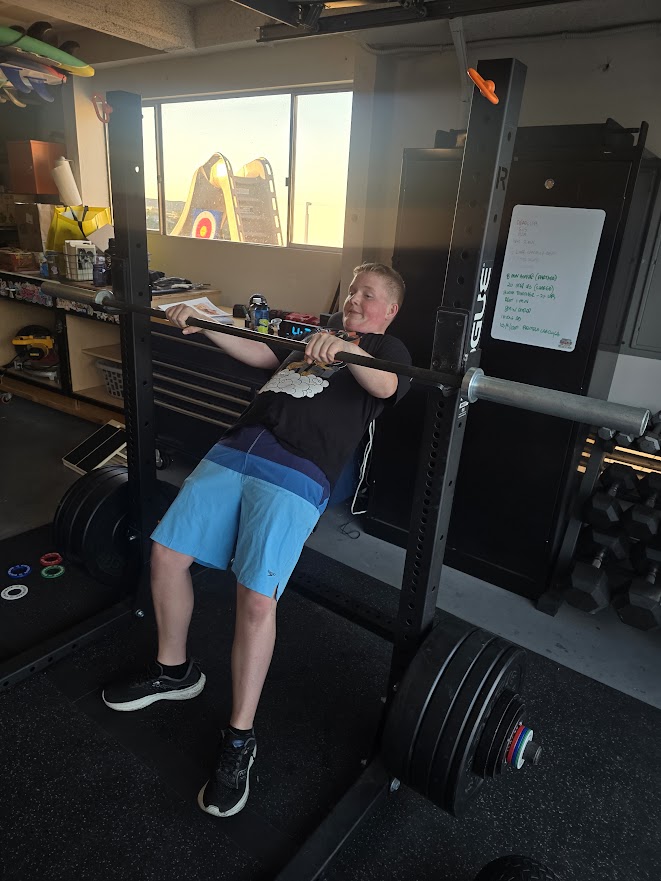
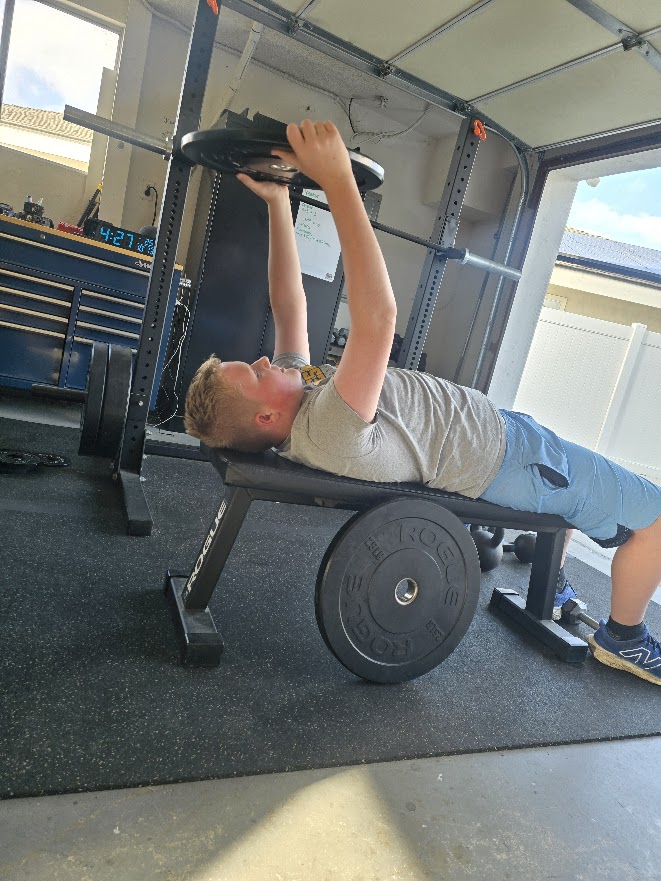
Strength training is not just physical—it is neurological.
When delivered using STS principles, it:
✅ Lowers baseline anxiety
✅ Improves frustration tolerance
✅ Builds confidence through repetition
✅ Reduces emotional volatility
Structured physical activity has been associated with improved emotional regulation and reduced anxiety in autistic children.
→ Research in Autism Spectrum Disorders
Clinical takeaway: Consistent, structured physical exercise reduces anxiety-related behaviors and improves emotional regulation in individuals with autism.
Wired Fitness San Diego blends STS-style structure with light, appropriate social exposure.
In practice, this means:
🔹 Predictable routines from arrival to exit
🔹 Calm, consistent coaching language
🔹 Optional peer interaction
🔹 Skill mastery before social layering
Social confidence develops naturally once regulation and trust are established.
Group size matters—especially for neurodiverse kids.
Our programs are delivered through:
✅ One-on-one strength training
✅ Small groups of 2–3 kids maximum
This allows for:
🔹 Individual pacing
🔹 Sensory regulation
🔹 Strong coach–child rapport
🔹 Real instruction, not crowd control
Programs without strict group caps are rarely designed for autistic success.
Many families are unaware that San Diego Regional Center (SDRC) may support structured fitness services when they align with adaptive skill development, health, and functional goals.
At Wired Fitness San Diego:
✅ Programs are structured and goal-oriented
✅ Training may align with SDRC wellness and adaptive skill objectives
✅ Families can explore funding options with their service coordinator
Eligibility varies, but we regularly help families navigate SDRC conversations and next steps.
Most programs adapt fitness only after kids struggle.
We design autistic kids strength training from the ground up.
✅ Strength-first programming
✅ Coaches experienced with neurodiverse youth
✅ Calm, predictable environments
✅ Progressions based on readiness—not age
✅ STS structure with light social recreation
This is professional coaching—not chaos management.
This approach is especially effective for kids who:
🔹 Avoid traditional team sports
🔹 Become overwhelmed in large groups
🔹 Need structure to feel safe
🔹 Struggle with coordination or regulation
🔹 Want independence without social pressure
If your child thrives with clarity and consistency, structured strength training is often a turning point.
For program details, formats, and next steps, visit our autism training hub:
🔗 https://wiredfitnesssd.com/autism-fitness-san-diego.php
Our autistic kids strength training programs are designed for regulation, confidence, and long-term success—without overwhelm.
autistic kids strength training san diego, strength training for autistic kids, autism strength training san diego, neurodiverse youth strength training, strength training for autistic teens
Theme: Illdy. © Copyright 2016. All Rights Reserved.